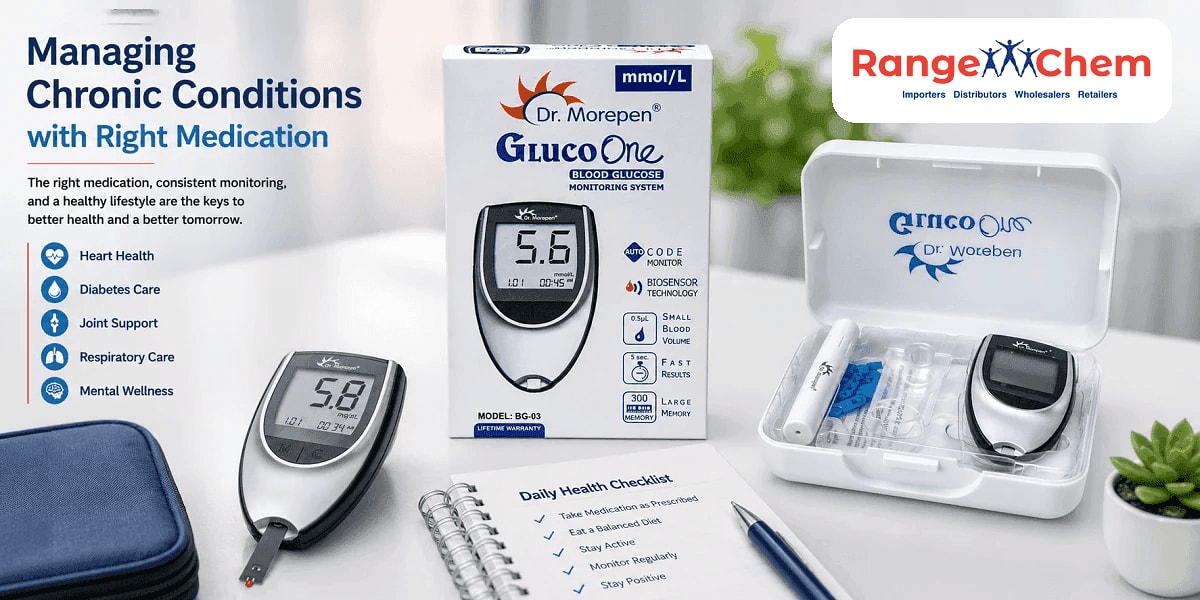
Managing Chronic Conditions with the Right Medication: A Partnership for Life
Living with a chronic condition—be it diabetes, hypertension, arthritis, asthma, or depression—is a marathon, not a sprint. Unlike an acute infection where a short course of antibiotics eradicates the problem, chronic diseases require ongoing management, often for the rest of a patient's life.
In this long-term journey, medication is not just a quick fix; it is a cornerstone of stability. However, the phrase "take your medication" is deceptively simple. The reality is that managing a chronic condition successfully depends heavily on finding and adhering to the right medication regimen.
Here is how the right medication transforms chronic disease management from a daily struggle into a manageable part of life.
1. Beyond Symptom Relief: Slowing Disease Progression
For many patients, the immediate goal of medication is to feel better. But in chronic disease management, the most critical role of the right medication is often invisible: slowing the progression of the disease itself.
- Hypertension: You may not feel high blood pressure (hence the nickname "the silent killer"). The right antihypertensive doesn't just stop a headache; it prevents the long-term damage that leads to heart attacks and strokes.
- Diabetes: The right diabetic medication or insulin regimen controls blood sugar not just to prevent the immediate fatigue of a sugar crash, but to protect the kidneys, eyes, and nerves from cumulative damage over decades.
- Osteoporosis: Medications here don't make bones feel stronger overnight, but they slow bone density loss, preventing life-altering fractures years down the line.
The right medication works in the background, buying the patient more healthy years.
2. The Critical Link: Adherence and Lifestyle Integration
The most advanced, high-quality medication in the world is useless if it sits in the bottle. A key factor in managing chronic conditions is adherence, and adherence is heavily influenced by how well the medication fits the patient's life.
- Dosing Frequency: A medication that requires dosing three times a day might be clinically effective, but if a patient works 12-hour shifts, they will likely miss doses. The "right" medication for that patient might be a long-acting version that requires only one dose per day, even if it is slightly more expensive. Better adherence leads to better outcomes.
- Managing Side Effects: Some patients may stop taking statins due to muscle pain. The "right" approach isn't to tell them to "tough it out," but to work with a healthcare provider to find a different statin or a combination therapy that manages cholesterol without the unbearable side effects.
3. The Personalized Puzzle: No "One-Size-Fits-All"
Chronic condition management highlights the reality that medicine is not one-size-fits-all. Two patients with the exact same blood pressure reading may respond differently to the same drug due to genetics, age, ethnicity, or lifestyle.
The journey to the "right" medication often involves a period of fine-tuning. This is where the partnership between patient, pharmacist, and physician is vital. It requires patience and open communication to find the specific drug and dosage that offers the maximum efficacy with the minimum disruption to quality of life.
4. The Role of Combination Therapies
As chronic conditions progress, they rarely travel alone. A patient with diabetes often develops hypertension; a patient with arthritis may develop depression due to chronic pain.
Managing these interconnected conditions requires a careful pharmacological balancing act. The right medication regimen considers the whole patient, not just the primary diagnosis. It ensures that:
- Drug Interactions are Avoided: One medication doesn't cancel out another or create dangerous side effects.
- Polypills are Utilized: In some cases, the "right medication" might actually be a combination pill (e.g., for heart disease) that simplifies the routine by bundling multiple active ingredients into a single dose, making it easier for the patient to stay on track.
5. Quality of Life: The Ultimate Metric
Ultimately, the goal of managing a chronic condition is not just to live longer, but to live better. The right medication empowers patients to maintain their independence, continue working, enjoy hobbies, and spend time with family.
When a patient with severe asthma finds the right inhaler regimen, they aren't just improving their lung function—they are gaining the confidence to play with their children or walk up a flight of stairs without gasping for air. When an arthritis patient finds the right anti-inflammatory, they aren't just reducing swelling—they are reclaiming the ability to knit, garden, or type.
6. The Pharmacist as a Coach
In the management of chronic conditions, the pharmacist plays a role far beyond counting pills. They are the most accessible healthcare professionals and serve as coaches, educators, and safety nets.
- Device Training: Is the patient using their inhaler or insulin pen correctly? Technique matters as much as the drug itself.
- Cost Management: Pharmacists can often help navigate insurance or find generic alternatives to ensure that the cost of the medication doesn't force the patient to skip doses.
- Monitoring Adherence: They can spot when a patient isn't refilling their medication on time and intervene before a crisis occurs.
Conclusion: A Partnership, Not a Prescription
Managing a chronic condition with the right medication is a dynamic process. It requires high-quality, reliable pharmaceuticals, but it also requires a strong triangle of communication between the patient, the doctor, and the pharmacist.
If you are living with a chronic condition, remember: medication is your tool, not your master. If your current regimen isn't working—whether due to side effects, cost, or complex scheduling—speak up.
The right medication is out there. It’s not just about treating a condition; it’s about empowering a life.